

Affiliate Attribution Is Under Scrutiny. Here’s What Brands Should Do Next.
Affiliate marketing has always relied on a deceptively simple question: Who gets credit for the sale? Recent controversies involving ShopMy, Phia, Honey, and Capital One Shopping have brought that question into sharper focus. The cases are different, but together they are pushing brands, publishers, creators, and networks to take a harder look at what commission reports actually measure.
What Happened With ShopMy
In August, researcher Ben Edelman published archived ShopMy guidance that recommended brands preserve ShopMy’s commission when the same order appeared in ShopMy and another affiliate network. In practice, that meant canceling the duplicate in the other network, regardless of which platform recorded the final eligible click.
That recommendation drew criticism because last-click attribution remains the standard for many affiliate programs. Prioritizing one platform by default could shift commission away from another publisher or creator without proving which touchpoint came last. Business of Fashion reported that ShopMy declined to comment on the specific allegations, and merchants were not required to follow the guidance.
There are also important limits to what has been established. Edelman identified 527 ShopMy brand partners that appeared to operate through at least one other affiliate network, but that overlap does not prove all 527 brands double-paid commissions, reversed valid referrals, or followed ShopMy’s recommendation. Current ShopMy documentation gives merchants control over validation and reversals, according to Affiverse.
Why This Conversation Is Bigger Than ShopMy
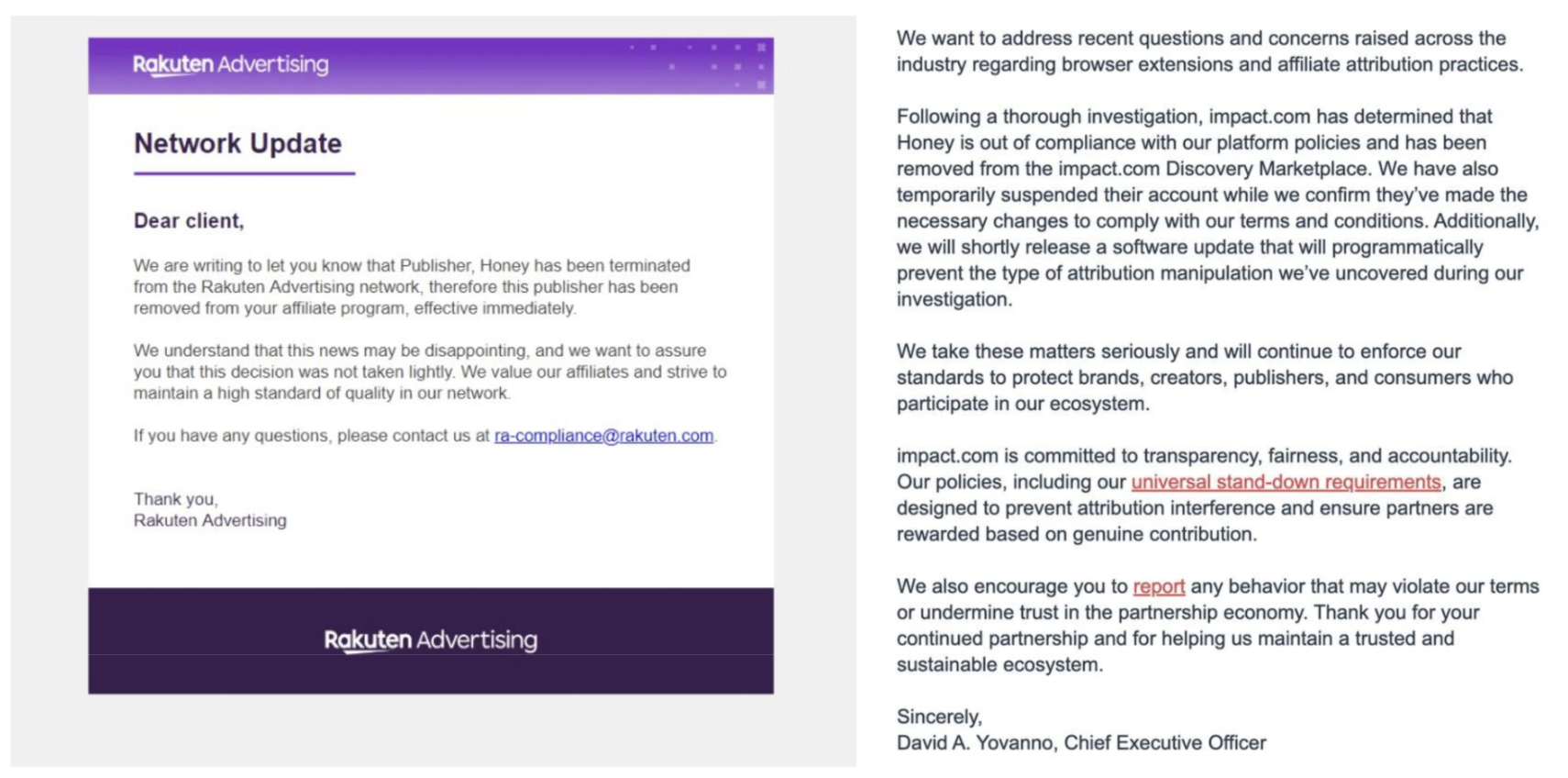
ShopMy is the latest name in a broader attribution debate, but the mechanics differ across cases. The ShopMy issue centers on how a merchant resolves duplicate claims from separate systems. The allegations involving Honey, Phia, and Capital One Shopping center on browser extensions or shopping tools allegedly replacing or refreshing affiliate tracking near checkout.
Those distinctions matter. We should not treat every attribution dispute as the same behavior. Still, each case exposes the same structural tension: several partners may influence one purchase, while the commission model often pays only one.
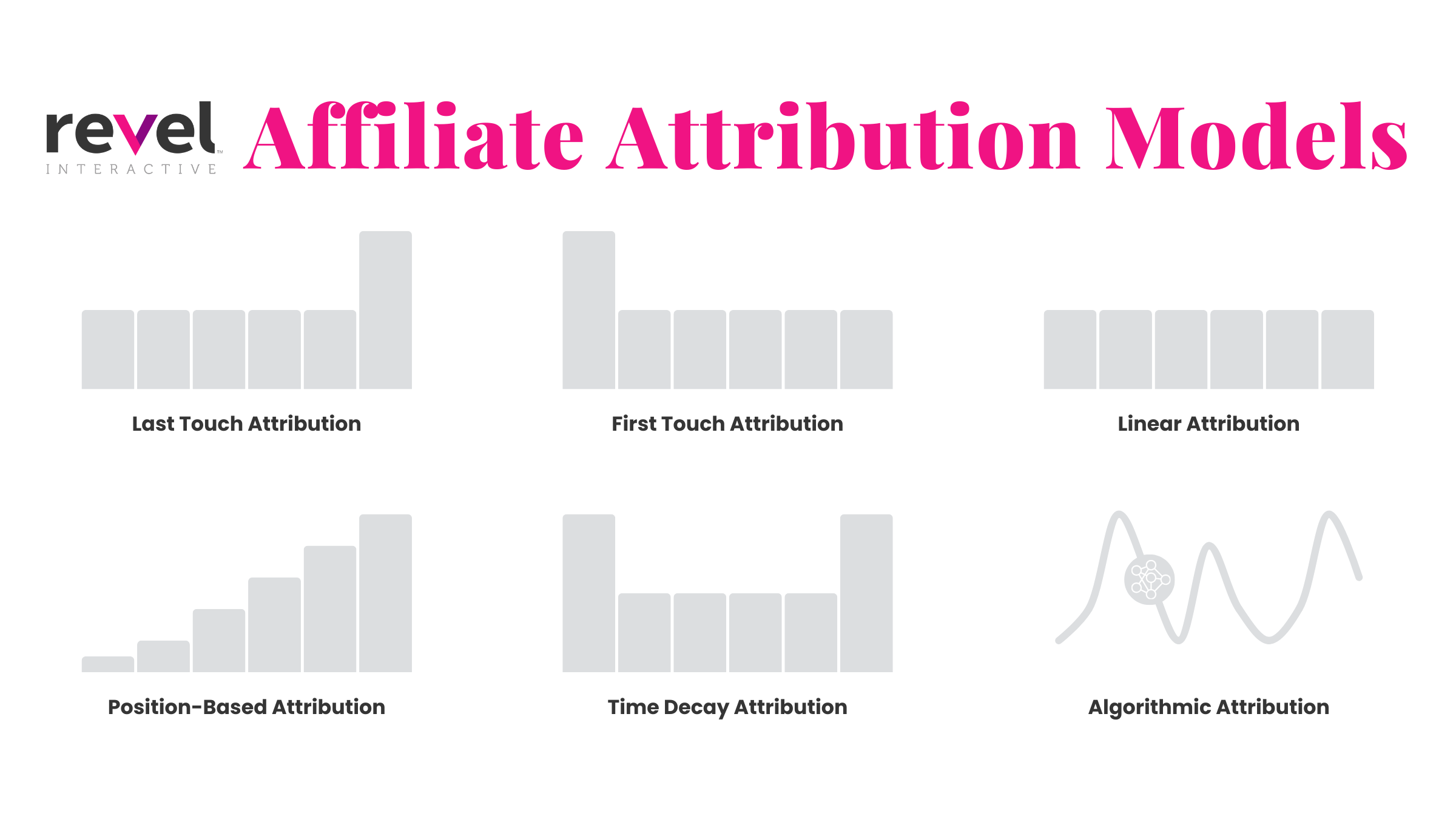
A shopper may discover a product through a creator, return through paid search, read a publisher review, and apply a coupon before buying. Last-click attribution provides a clear payment rule, but it does not necessarily identify the touchpoint that created demand. First-click attribution has the opposite blind spot. Multi-touch models add nuance, but they also require assumptions about how much value to assign each interaction.
The RMP Point of View
No attribution model is completely perfect. Changing the model can change who receives credit, but it does not create a complete view of the customer journey. That is why we do not see this as a simple choice between last click and a supposedly better alternative.
The bigger opportunity is to make attribution rules intentional, transparent, and tied to the role each partner plays. A creator who introduces a new customer, a content publisher who helps with research, and a coupon partner who closes an order may all provide value. They do not necessarily provide the same value, and they should not automatically receive the same commission or be evaluated against the same goal.
Commission data is still useful, but it is one signal. Brands should read each attributed order as a claim that can be validated against first-party data, the customer journey, and the program’s agreed-upon rules.
What We Recommend for Brands
Map the full affiliate stack. Document every network, creator platform, browser extension, direct integration, and tracking pixel connected to checkout. Overlap is hard to manage when ownership is unclear.
Set a cross-network deduplication rule. Decide in advance how the brand will handle the same order appearing in multiple systems. Where last click applies, compare timestamps across platforms when the data is available instead of automatically favoring one partner.
Put the rules in writing. Program terms should explain attribution windows, valid reversal reasons, coupon and trademark policies, and how duplicate transactions are resolved. Apply the policy consistently.
Review reversals at the order level. Track why commissions are reversed, distinguish duplicate orders from invalid referrals, and give publishers a clear process to question a reversal.
Measure the value behind the click. Compare platform reporting with first-party new-versus-returning customer data, email and SMS history, post-purchase surveys, and, when feasible, holdout tests. This helps separate conversion credit from incremental demand.
Align commission with partner contribution. Use commissioning rules that reflect the role of the partner. Content and creator partners may warrant different rates or incentives than coupon, cashback, or loyalty partners.
Keep the model under review. Attribution should evolve as the partner mix, technology, and customer journey change. A regular audit is more useful than waiting for a public controversy to expose a gap.
The Bottom Line
Affiliate attribution is not becoming less useful. It is becoming harder to accept at face value. The current debate gives brands a reason to revisit how credit is assigned, how commissions are validated, and whether payout rules match the value each partner is expected to deliver.
The goal is not to find a flawless attribution model. It is to build a clear, defensible approach that protects partner trust, controls duplicate costs, and helps the brand make better investment decisions.
Not sure how your affiliate partners are receiving credit? RMP can help audit your tracking, commissioning rules, and cross-network overlap.
Sources:
Business of Fashion, Everyone Is Fighting for Affiliate Commissions Who Deserves Them.
Fashionista, Researcher Questions ShopMy’s Referral Practices
Affiverse, ShopMy Guidance Highlights Cross-Network Affiliate Attribution Risks
Inc., Affiliate Platforms Keep Landing in Commission Disputes What That Means for Your Brand
Article edited with the assistance of ChatGPT